Getting the Most Out of Distillate for Dabbing: Tips and Techniques
Understanding the Role of Distillates in Modern Dabbing
When I first started working with cannabis concentrates, the sheer variety on the shelf was overwhelming. You had sticky live resin, crumbly rosin, waxy BHO, and thin, amber liquids that looked more like maple syrup than anything I'd ever dabbed. Among them, the category that took me the longest to appreciate was distillate. Not because it was weak or uninteresting, but because the term covers a lot of ground, from highly refined delta 8 and delta 9 products to full-spectrum cannabis oil that still carries the plant's original terpenes. Over time, I learned that choosing the right distillate for dabbing can make or break your session, and the difference comes down to how it was made and how you heat it.
Distillates are produced through processes like CO2 extraction or BHO extraction, followed by winterization and distillation to remove fats, waxes, and other plant material. The goal is a clean, potent cannabis oil that delivers cannabinoids with minimal residue. That efficiency is what draws many experienced users to it, especially when they want a strong, fast-acting experience without the plant matter that can foul a quartz banger. But if you are new to distillates, the first thing you notice is how runny they are compared to a solid dab of rosin. That thin consistency changes how you load the nail and how you control vaporization. It is not better or worse, just different, and it rewards a little technique.
Why Distillate for Dabbing Deserves a Second Look
Many dabbers start with solventless rosin because it feels closer to the flower they know. I did the same. But after a few months of chasing the perfect press, I realized that some of the cleanest, most flavorful hits I'd had came from a well-made distillate. The key is that a high-quality distillate for dabbing is stripped of chlorophyll and lipids, which means you get a purer expression of the cannabinoids. For someone who values precision and wants to avoid the heavy lung coating that can come from a waxy concentrate, distillate offers a noticeably smoother vapor. It also tends to leave less carbon buildup on the quartz banger, so you spend less time cleaning and more time enjoying the session.
I remember the first time I tried a delta 8 distillate side-by-side with a standard delta 9 distillate. The delta 8 had a lighter, more functional effect, while the delta 9 packed the heavy punch I expected from a concentrate. Both were clear, honey-colored liquids that moved like water when warm. That day changed how I thought about distillates. They are not just a byproduct of extraction; they are a different class of cannabis concentrate, with their own character. If you have only ever dabbed rosin or live resin, you owe it to yourself to explore what a good distillate can do. It might become your go-to for daily use, especially if you pair it with the right setup.
Gear That Makes a Difference
Because distillates are less viscous than other concentrates, the hardware matters more than you might think. I have seen people load a runny distillate into a standard banger only to have it drip through the joint and waste the hit. A few simple adjustments solve that. First, use a quartz banger with a deep bucket or a flat-top design. A deep bucket gives the liquid room to pool without running over the edge. Second, consider a carb cap that creates good airflow. A good cap helps you control the vapor path and keeps the droplets from splashing out. Some people even add terp pearls to spin the distillate around the hot surface, which spreads the heat evenly and prevents hot spots that can burn the oil before it fully vaporizes.
Temperature control is where the real nuance comes in. Distillates generally vaporize at a lower temperature than more waxy concentrates because they have fewer high-boiling-point impurities. If you use a torch to heat the banger, let it cool longer than you would for rosin. I usually aim for around 450 to 500 degrees Fahrenheit, checking with an infrared thermometer until I have a feel for the timing. If you use an e-nail, set it a little lower and adjust from there. A cold start also works beautifully with distillates. Put a small drop of the distillate into a cold banger, cap it, and then apply heat slowly. You can watch the oil bubble and vaporize, stopping the moment you see the vapor thicken. That method preserves more flavor and prevents the harshness that comes from overheating thin oils.
How to Handle and Store Distillates
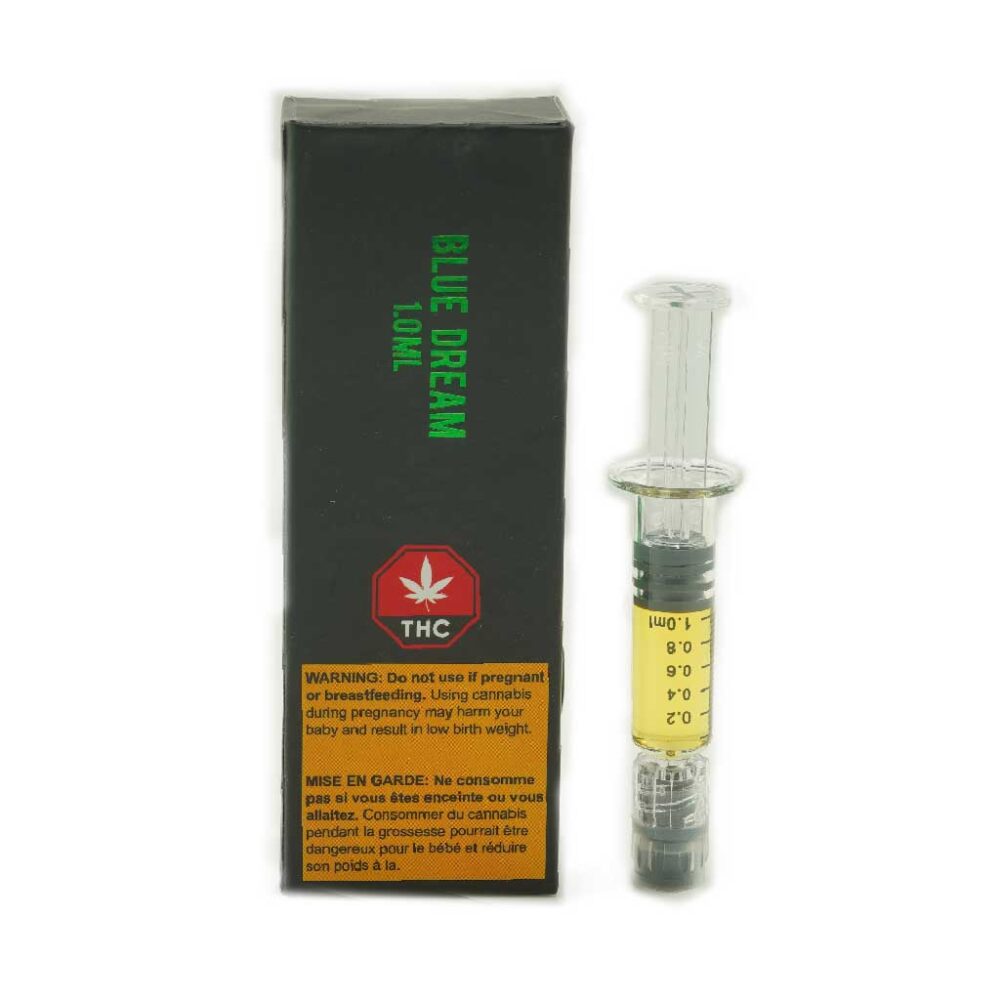
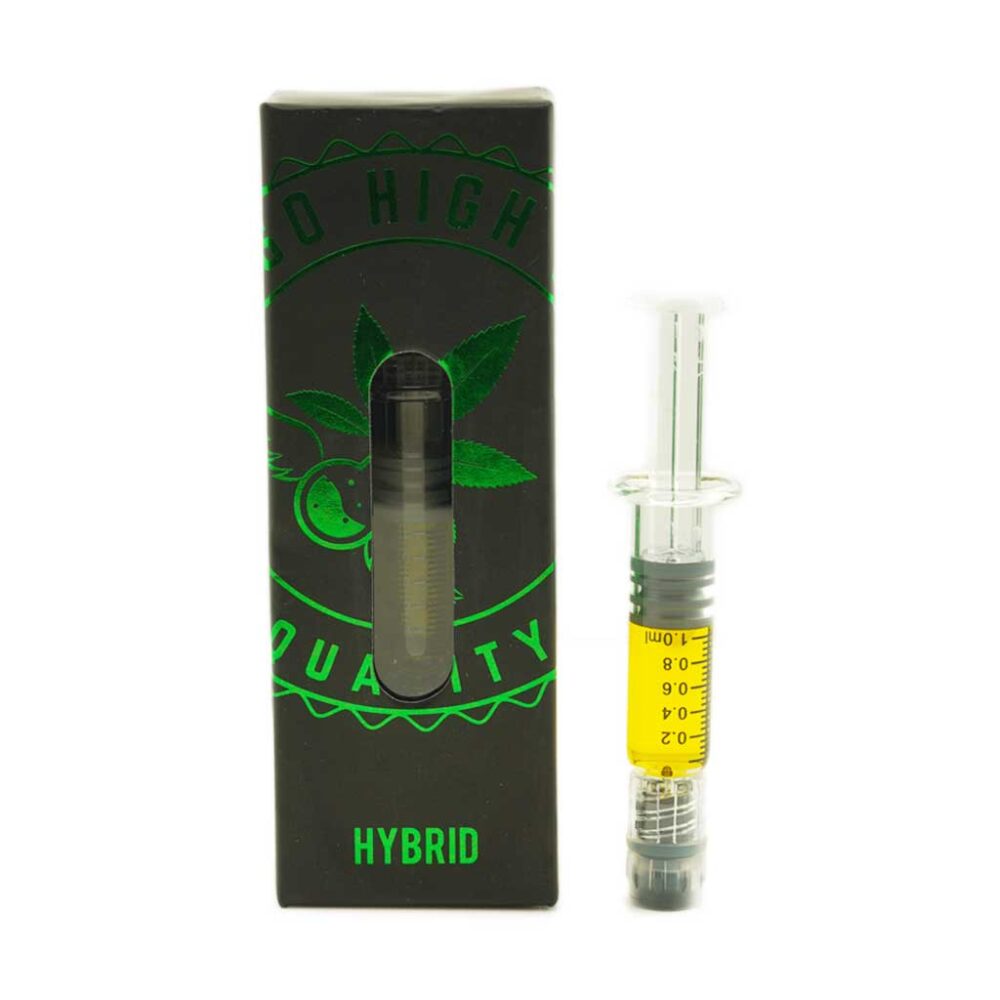
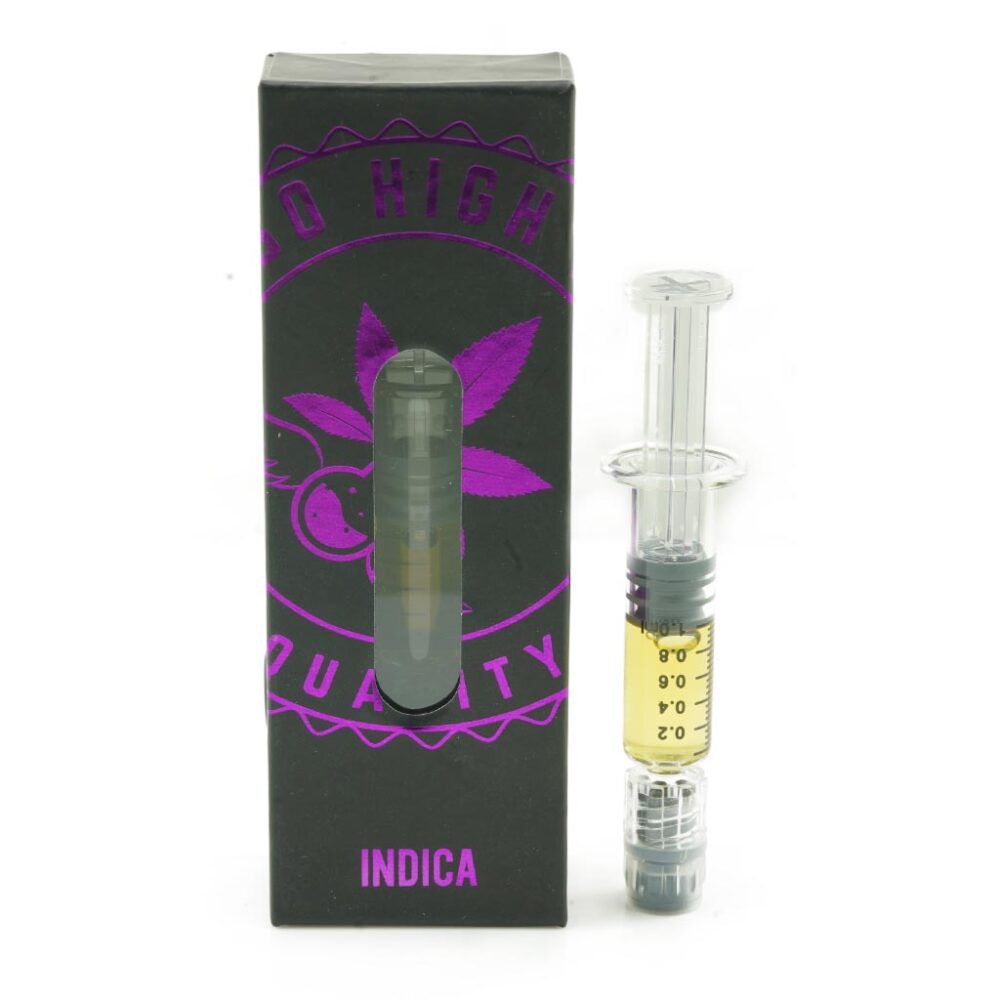
One thing that surprised me about distillates is how easily they can evaporate or degrade if stored poorly. Because they are already refined and concentrated, the volatile terpenes and cannabinoids are right at the surface. Leaving a jar open for a few hours can noticeably dull the aroma and potency. I keep my distillate in a cool, dark place, and I always close the lid tightly after each use. If you use a dab tool to scoop it, be aware that very runny distillates can drip off the tool before you get it to the banger. Some people pre-heat the tool slightly so the oil flows onto the nail more easily. Others use a syringe-style dropper for the thinnest oils. Both methods work; it just depends on how runny your batch is.
Another consideration is the difference between delta 8 and delta 9 distillates in terms of stability. Delta 9 distillates tend to be more stable at room temperature, while delta 8 can degrade faster if exposed to heat or light. If you buy a delta 8 distillate, plan to use it within a few months for the best experience. I have kept a jar of delta 9 distillate for nearly a year with no noticeable loss in quality, but I would not push the same timeline for delta 8. That is not a knock on delta 8, it is just a chemical reality. The lighter molecular structure that makes delta 8 less psychoactive also makes it more fragile. Store both properly, but treat delta 8 with extra care.
Practical Tips for Your First Session
If you are trying distillate for dabbing for the first time, start with a small amount. A drop the size of a grain of rice is plenty. Place it in the center of the banger, cap it, and hit it slowly. If the vapor feels thin, you can always add more on the next dab. Overloading a banger with distillate leads to puddles that never fully vaporize, and that is a waste of good cannabis oil. Also, pay attention to the color. A high-quality distillate should be a pale amber or gold, not dark brown or black. Dark color often means the oil was overheated during extraction or has degraded from age. Good distillate should look clear and translucent, like honey, not like motor oil.
I also recommend keeping a separate banger or nail for distillates if you switch between them and other concentrates regularly. The reason is that residues from rosin or live resin can mix with the thin distillate and change its flavor. It is not a huge problem, but if you are chasing the purest expression of the distillate, a dedicated setup helps. If you own a Puffco or Peak Pro, you can use the same chamber, just make sure to swab it clean after each use. The ceramic bowl in those devices handles distillates very well because the heat is consistent and the chamber is enclosed, which prevents the oil from running off the heating surface.
Exploring Different Types of Distillates
Not all distillates are created equal. The extraction method leaves a distinct fingerprint on the final product. CO2 extraction, for example, uses pressurized carbon dioxide to pull the cannabinoids and terpenes out of the plant material without high heat. The resulting distillate tends to have a fuller terpene profile, meaning it smells and tastes closer to the original strain. BHO extraction, on the other hand, uses a hydrocarbon solvent like butane or propane. It is efficient and cheap, but if the winterization is not thorough, you can end up with a harsher, less flavorful oil. I have had good and bad examples of both, so do not judge a distillate solely by its extraction label. Judge it by its appearance, aroma, and the way it performs in your dab rig.
Another distinction is between full-spectrum distillates and isolated cannabinoid distillates. Full-spectrum distillates retain a wide range of cannabinoids, including minor ones that contribute to the entourage effect. Isolated distillates, like pure delta 8 or delta 9, are stripped down to a single cannabinoid. Both have their place. If you want a predictable, functional experience, an isolated delta 8 distillate is hard to beat. If you want a more rounded, traditional high, a full-spectrum distillate might be your preference. Experiment with both to see what works for your body and your lifestyle.
Final Thoughts on Technique and Preferences
The world of cannabis concentrates keeps expanding, and distillates are a big part of that growth. They offer a clean, potent option that fits well into both low-temperature dabbing and on-the-go devices like the Peak Pro. The main challenge is learning how to handle a liquid that behaves differently than a solid concentrate. Once you get the hang of using a carb cap, managing your heat with a torch or e-nail, and storing the oil properly, you will find that distillate for dabbing can deliver some of the most flavorful and efficient sessions you have ever had. I still keep jars of live resin and rosin on my shelf for variety, but my daily driver is almost always a high-quality distillate. It is reliable, it is clean, and it lets the cannabinoids speak for themselves. That is worth the small learning curve.